
Immersive Museum Experiences on a Budget: XR Strategies for Smaller InstitutioNs
Museums of all sizes face a common challenge: how to engage modern audiences while working within financial constraints. For smaller institutions, the emergence of extended reality (XR) technology might seem financially out of reach. However, immersive museum experiences are becoming increasingly accessible, offering institutions new ways to complement their traditional exhibits and educational programming without requiring massive capital investments.
The landscape of museum technology has shifted dramatically in recent years. What once demanded custom development teams and expensive hardware can now be achieved through scalable platforms designed specifically for cultural institutions. Smaller museums can leverage these tools to enhance visitor engagement, extend their educational reach, and compete for attention in an increasingly digital world.

Understanding the XR Spectrum for Museums
Extended reality encompasses virtual reality (VR), augmented reality (AR), and mixed reality (MR). Each offers distinct advantages for museums working with limited budgets. VR creates fully immersive environments where visitors can explore reconstructed historical sites or experience art in new dimensions. AR overlays digital information onto physical exhibits, enriching the viewing experience without replacing traditional displays. MR blends both approaches, allowing digital and physical elements to interact.
The key for budget-conscious institutions is selecting the right technology for specific goals rather than pursuing comprehensive solutions. A focused VR experience highlighting one collection can deliver more impact than spreading resources thin across multiple platforms.
Strategic Planning for Immersive Implementation
Before investing in any technology, smaller museums should conduct thorough audience research and define clear objectives. Are you trying to attract younger demographics? Provide deeper educational content? Make collections accessible to remote audiences? Each goal suggests different technological approaches and budget allocations.
Successful implementation requires:
Assessment of existing infrastructure and staff capabilities
Clear identification of collections or stories that benefit most from immersive treatment
Realistic timeline development that allows for testing and refinement
Evaluation frameworks to measure visitor response and educational outcomes
Starting small allows institutions to learn what resonates with their specific audiences before committing to larger investments. Pilot programs using rented equipment or temporary installations provide valuable data while minimizing financial risk.
Cost-Effective Hardware Solutions
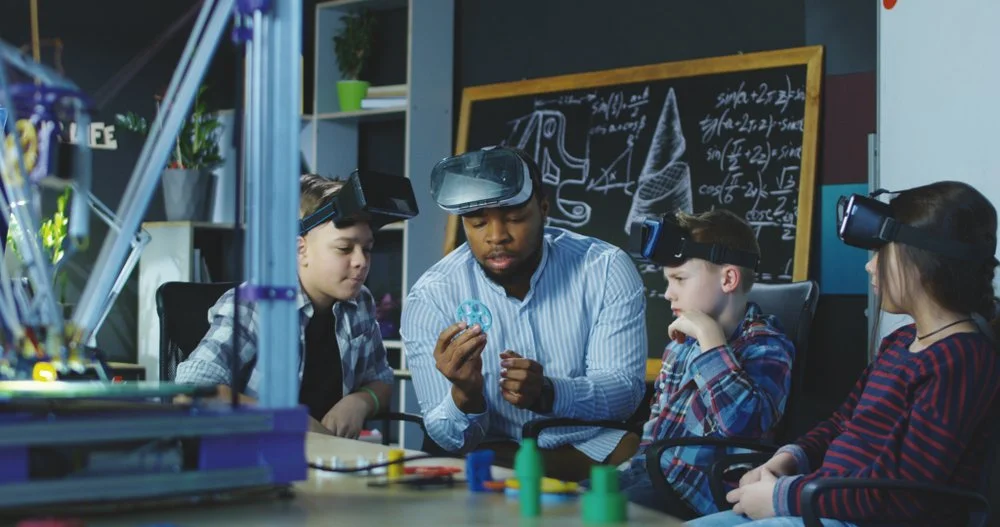
Museums don't need to purchase dozens of expensive headsets to create meaningful immersive museum experiences. Several budget-friendly strategies exist. Standalone VR headsets have become remarkably affordable, eliminating the need for expensive gaming computers. Some institutions operate successful programs with just three to five headsets, rotating visitors through experiences in small groups.
Smartphone-based AR experiences require minimal hardware investment since most visitors already carry capable devices. Museums can develop AR applications that visitors download to their own phones, transforming the entire institution into an enhanced learning environment. QR codes placed near exhibits trigger digital content, from 3D models to historical footage, all accessed through personal devices.
Equipment sharing agreements between regional museums reduce per-institution costs. Traveling XR exhibitions allow multiple organizations to benefit from a single development investment, making high-quality immersive content accessible to institutions that couldn't afford independent production.
Rental-Based Immersive Theater Solutions
Rather than purchasing expensive equipment, smaller institutions can access professional-grade immersive museum experiences through rental-based theater systems. These turnkey solutions eliminate capital investment barriers while providing the same quality visitors would encounter at larger institutions.
ALICE Go: Portable Learning Theater
ALICE Go functions as a traveling immersive cinema designed for educational settings. This portable, seated group VR theater accommodates 10 to 150 participants simultaneously, creating shared learning experiences in topics from paleontology to ocean exploration. Museums can rent it for a minimum of three months, a season, or an entire school year.
The system's appeal centers on operational simplicity. One-button operation requires minimal technical expertise, while dedicated remote support handles any issues. For museums stretched thin on staff capacity, ALICE Go manages the technology complexity while educators focus on visitor engagement. The high throughput also creates revenue opportunities, as modest ticket pricing across multiple daily sessions can generate meaningful income during rental periods.
The ALICE: Short-Term Museum Theater
The ALICE reimagines the traveling exhibit model. This immersive theater system arrives fully configured and ready to operate within days. Museums can rent it for three months to a full year, with configurations ranging from 5 to 100+ seats to fit available space.
Traditional traveling exhibits often require multi-year contracts and expensive shipping. The ALICE delivers comparable visitor appeal at a fraction of the cost. Museums can book it for a limited run, then bring it back the following year with new content from an ever-growing film library. This allows institutions to refresh programming annually without committing limited gallery space to permanent installations.
Building Content Partnerships
Creating compelling immersive museum experiences doesn't require developing original content. Strategic partnerships provide access to high-quality educational films designed specifically for museum audiences. Rental theater systems offer curated content covering science, nature, and cultural topics aligned with educational missions.
Collaboration with regional museum networks amplifies impact while sharing costs. Several smaller institutions can coordinate rental schedules, passing equipment between venues throughout the year. This maximizes utilization while minimizing per-institution expense, creating programming opportunities that individual museums couldn't afford independently.
Measuring Impact and Demonstrating Value
Budget justification requires demonstrable outcomes. Smaller museums should implement evaluation strategies from the beginning of any XR initiative. Visitor surveys, time-on-task measurements, and pre-post knowledge assessments provide concrete data about engagement and learning outcomes.
Digital analytics offer remarkable insights. XR platforms track which elements visitors explore most thoroughly, where they lose interest, and what questions they ask. This information guides continuous improvement and helps justify continued investment to boards and funders.
Hard data and documentation of immersive museum experiences through video and visitor testimonials create compelling material for grant applications and donor presentations. Showing rather than simply describing the impact makes a stronger case for funding.
The Path Forward: Making Innovation Achievable
The barrier to entry for immersive museum experiences has fundamentally shifted. Institutions no longer need to choose between investing hundreds of thousands in permanent installations or forgoing this programming entirely. Rental-based theater systems and shared equipment networks create accessible entry points that respect budget realities while delivering professional quality.
Museums that embrace these strategies enhance their educational impact while supporting their traditional collections. An immersive science theater doesn't replace artifact displays; it provides additional context that deepens understanding and sparks curiosity. Visitors who experience compelling VR content often spend more time exploring related physical exhibits, creating complementary programming.
The question isn't whether smaller institutions can afford to explore these technologies, but how quickly they can begin. Early adopters gain valuable experience and position themselves as innovative community resources. As visitor preferences continue evolving, museums offering diverse learning experiences will remain vital to their communities.
Ready to explore how rental-based immersive theater systems can expand your programming without overwhelming your resources? Discover exhibit-ready solutions designed specifically for museums with Hammer & Anvil. Let’s connect.