
Immersive Museum Experiences: How AR Museum Exhibits Breathe Life Back into Extinct Species
Museums have long served as gateways to understanding our planet's remarkable history. Today's immersive museum experiences are opening new possibilities for how visitors connect with that past. Augmented reality technology is now enabling institutions to present extinct species in ways that complement traditional fossil displays and educational materials. This offers visitors additional layers of engagement alongside the foundational learning methods that museums have refined over generations.
When a child stands before a dinosaur skeleton, imagination fills in the gaps between ancient bones and living creature. AR museum exhibits work alongside this natural curiosity, providing supplementary visual context that can enhance the educational journey without replacing the critical thinking and wonder that traditional displays inspire.
The Evolution of Museum Storytelling
Museums have always adapted their presentation methods to better serve their educational missions. From early cabinets of curiosity to modern climate-controlled galleries, institutions have continuously explored ways to make collections more accessible and meaningful. Immersive museum experiences represent another step in this ongoing evolution, adding digital layers that work in concert with physical artifacts.
Traditional museum displays excel at presenting authentic objects, providing tangible connections to history that no technology can replicate. A real fossil carries scientific data, provenance, and the weight of genuine discovery. AR applications complement these strengths by offering supplementary information that can help visitors contextualize what they're seeing, whether through anatomical overlays, environmental reconstructions, or comparative size visualizations.
How AR Brings Extinct Species into View
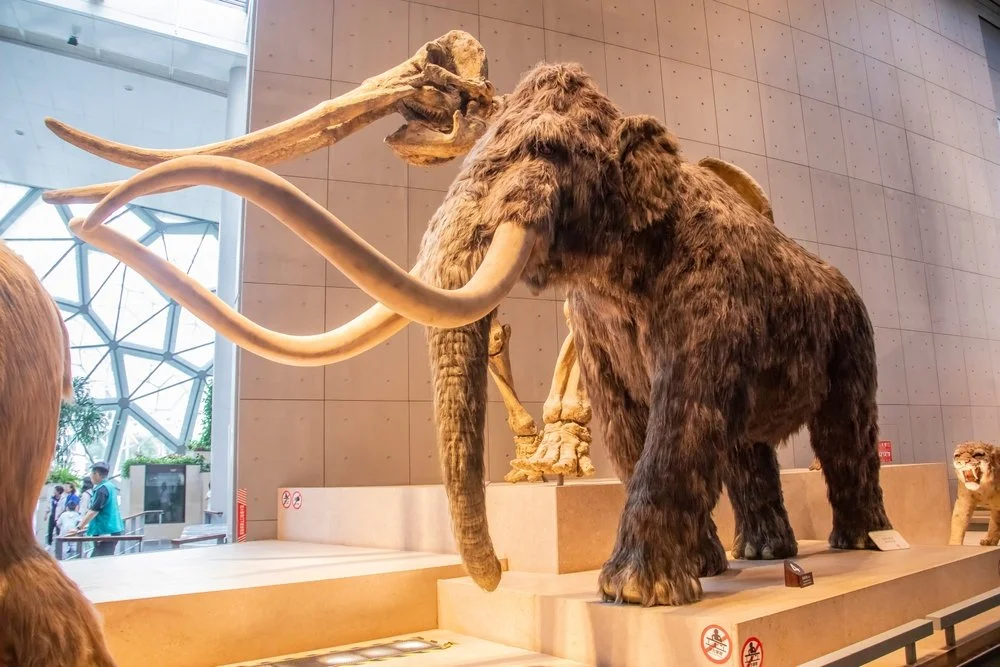
Augmented reality in museum settings typically works through tablets or smartphone applications that visitors point at specific exhibits. When aimed at a woolly mammoth skeleton, for example, the screen might display a rendered mammoth in its Ice Age habitat, showing how the animal's features functioned in its environment. These visualizations serve as additional educational tools rather than replacements for the specimens themselves.
Several applications of AR technology are now appearing in natural history museums:
Anatomical overlays that show muscle structure, skin texture, and other soft tissues that don't survive fossilization
Scale comparisons that help visitors understand the actual size of creatures by placing them in familiar contexts
Environmental reconstructions that depict the ecosystems where extinct species lived
Behavioral animations based on paleontological research about how animals might have moved or hunted
Time-lapse visualizations showing evolutionary relationships between species across millions of years
These tools provide supplementary information that works alongside traditional interpretive signage, docent-led tours, and hands-on educational programs.
Supporting Different Learning Approaches
Visitors come to museums with varied learning preferences and different levels of prior knowledge. Immersive museum experiences can support this diversity by offering additional pathways to engagement without requiring fundamental changes to how museums operate. A visitor might examine a fossil through careful observation, read the accompanying label, consult with museum staff, and also use an AR application, each method contributing something valuable to their understanding.
The Role of Scientific Accuracy
One critical consideration for AR museum applications is ensuring that visualizations remain grounded in current scientific understanding. Immersive museum experiences carry educational responsibility. The digital reconstructions must reflect the best available paleontological evidence, complete with appropriate acknowledgment of uncertainty where scientific consensus is still developing.
Museums have long expertise in presenting scientific information responsibly, noting when interpretations are speculative and updating exhibits as new discoveries emerge. AR applications benefit from this same rigorous approach. When a rendering shows feathered dinosaurs, for instance, it should reflect current research while helping visitors understand that our picture of these animals continues to evolve as new evidence comes to light.
Practical Considerations for Implementation
Adding AR capabilities to museum exhibits involves considerations beyond the technology itself. Museums must balance multiple priorities:
Preserving fragile specimens
Maintaining accessibility for all visitors
Managing device availability and maintenance
Ensuring that new tools support rather than distract from core educational objectives
Some institutions provide dedicated devices for AR and VR experiences, while others develop applications for visitors' own smartphones. Each approach has trade-offs regarding accessibility, cost, hygiene, and visitor experience. Immersive museum experiences work best when they're designed with the institution's specific collection, audience, and educational mission in mind.
Complementing Hands-On Learning
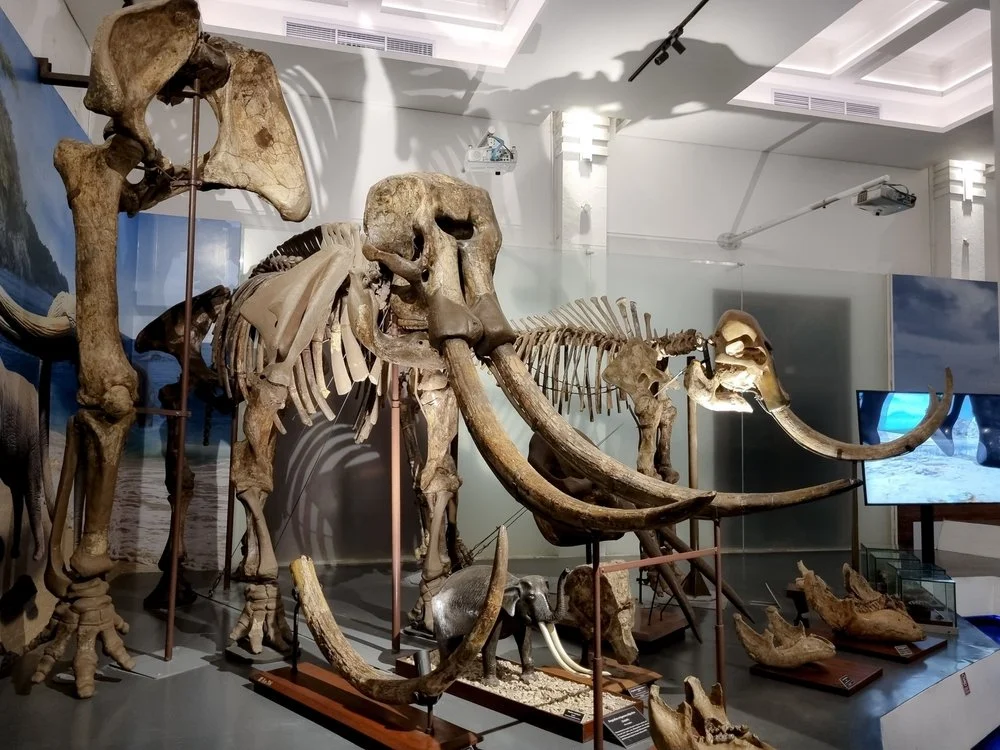
Many natural history museums feature interactive elements like fossil dig simulations, comparative anatomy stations, or microscope labs where visitors can examine specimens themselves. Immersive museum experiences using AR can work alongside these tactile learning opportunities, providing additional context without replacing the valuable learning that happens through physical interaction.
A visitor might excavate a replica fossil in a dig pit, examine it at a cleaning station, compare it to reference materials, consult with museum educators, and use AR to see how the complete skeleton might have appeared. Each activity contributes to a richer understanding, with digital tools supporting rather than supplanting hands-on discovery.
Looking Towards Enhanced Educational Experiences
As AR technology continues to develop, museums will have opportunities to explore how these tools can best serve their educational missions. Immersive museum experiences will likely evolve alongside traditional museum practices, with each approach informing and strengthening the other. The goal remains connecting visitors with the natural world and its history; a mission that benefits from multiple complementary methods of engagement.
Immersive museum experiences represent just one application of how augmented and virtual reality technologies can support learning environments. Whether you're developing educational programs, creating exhibition content, or exploring ways to enhance visitor engagement, these technologies offer supplementary tools that can work alongside traditional methods.
Hammer & Anvil specializes in creating thoughtful immersive experiences for educational contexts. From portable, seated, immersive VR learning theaters to 360 video productions, we work with institutions to develop digital tools that complement existing educational offerings. Explore how these technologies might support your mission of connecting audiences with meaningful content. Let’s connect.