
The Ethics of Immersive Education Exhibits: Balancing Spectacle and Scholarship
Immersive education exhibits are reshaping how museums, science centers, and planetariums engage their audiences. By weaving together visuals, soundscapes, and spatial storytelling, these experiences create profound connections between visitors and content. The goal extends beyond entertainment: immersive education should deepen understanding, ignite curiosity, and foster lasting knowledge retention.
However, the very elements that make these exhibits captivating can also pose challenges. Without intentional design, spectacle may eclipse substance. Museums and cultural institutions need to navigate this tension carefully, ensuring that immersive education delivers meaningful learning outcomes while remaining accessible and ethically responsible.
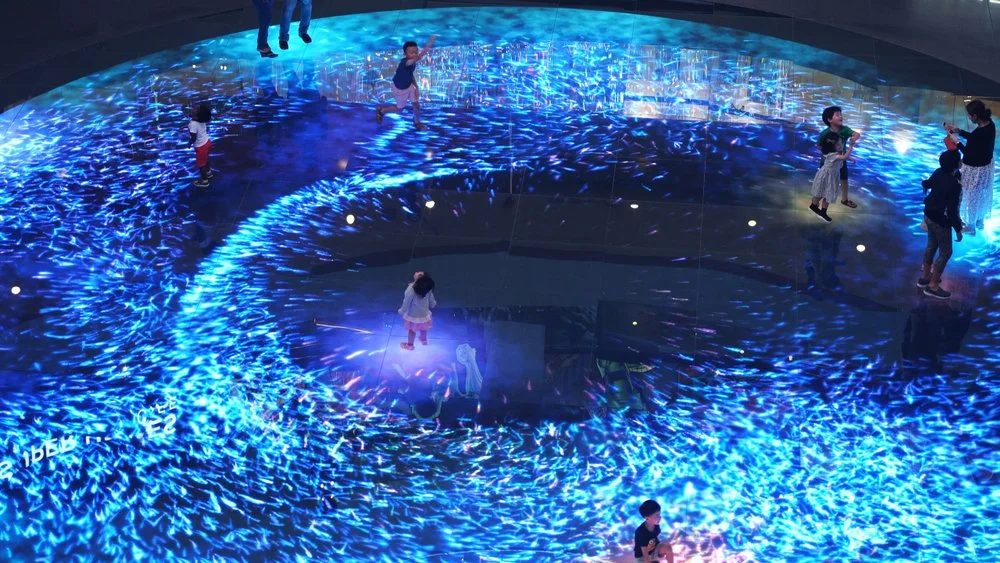
Why Immersive Education Deepens Learning
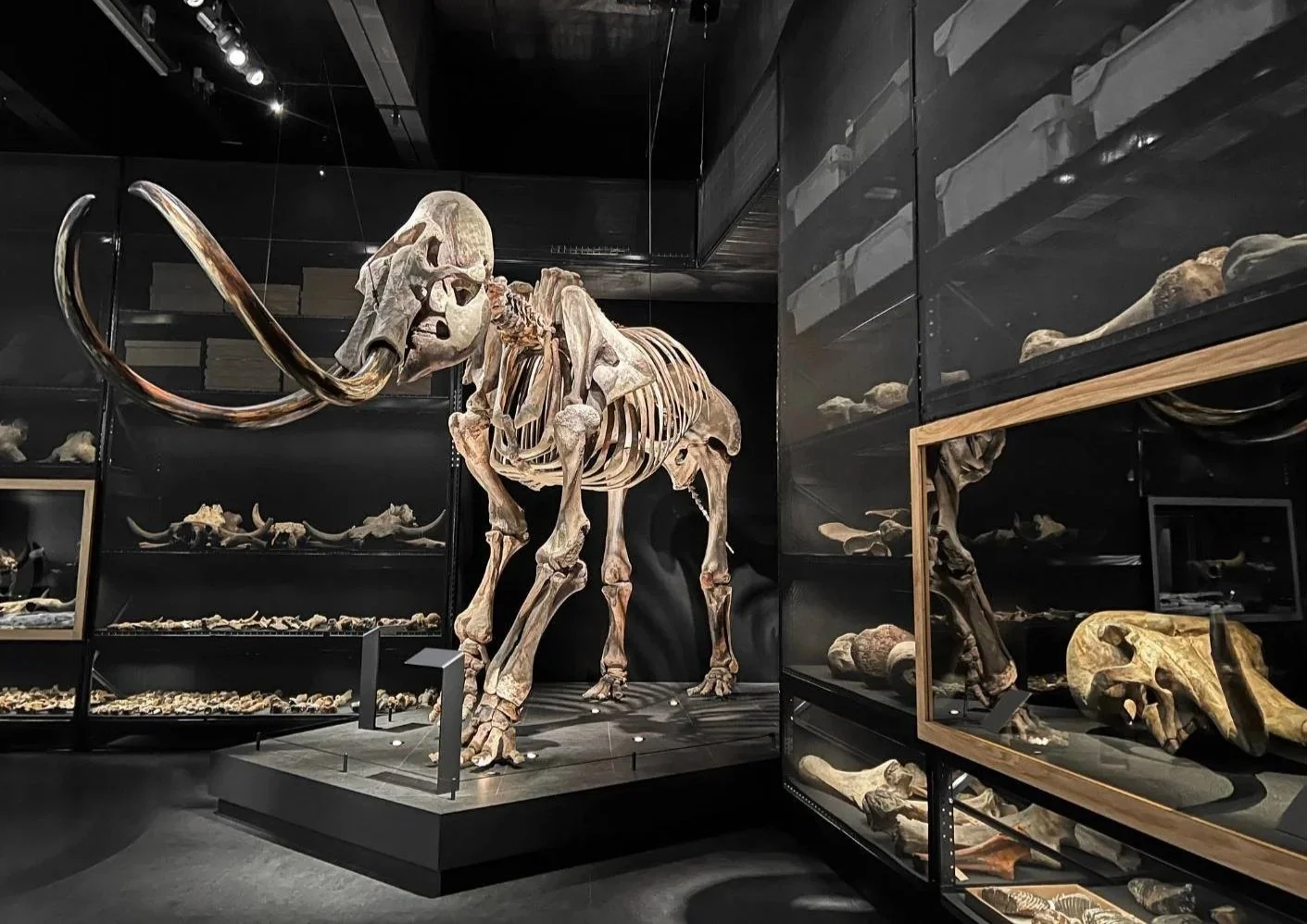
Traditional museum displays often present information in static formats that require visitors to bridge conceptual gaps independently. Immersive education exhibits offer an alternative by placing audiences within the subject matter itself. A visitor exploring a train archaeological site doesn't merely read about excavation techniques; they experience the process of uncovering artifacts and interpreting findings within a geological context.
This spatial and emotional engagement transforms abstract ideas into tangible experiences. Planetary motion becomes visceral when visitors navigate through a solar system simulation. Climate change patterns gain urgency when audiences witness centuries of environmental transformation compressed into minutes. These encounters create mental anchors that support comprehension and retention.
Maintaining Scholarly Integrity in Immersive Environments
The emotional power of immersive education carries an ethical responsibility. Curators and designers should anchor these experiences in verified information while maintaining clarity about what is documented fact versus creative interpretation. Sensationalism or oversimplification undermines institutional credibility and can spread misconceptions that persist long after visitors leave.
Several principles support the development of ethically sound immersive education exhibits:
Ground all content in evidence-based research: Partner with subject matter experts to verify accuracy. Scientific data, historical records, and peer-reviewed scholarship should inform every narrative and visual element.
Distinguish fact from interpretation: When reconstructing historical events or prehistoric environments, clearly communicate which elements reflect documented evidence and which involve educated speculation. Labels, audio narration, or digital guides can provide this transparency without disrupting the experience.
Design for multiple engagement levels: Offer layered information that allows casual visitors to enjoy the core experience while providing deeper exploration options for those seeking detailed understanding. Optional audio commentary, supplementary text panels, or companion apps serve this purpose effectively.
Include reflective spaces: Immersive education should not overwhelm. Build in moments for contemplation where visitors can process what they've encountered and consider broader implications.
Seek diverse perspectives: Consult cultural advisors, community representatives, and specialists from relevant disciplines. This collaborative approach helps avoid bias, ensures respectful representation of sensitive subjects, and strengthens the educational value of exhibits.
Regular evaluation through visitor feedback and learning assessment helps institutions refine their immersive education offerings over time. This commitment to continuous improvement demonstrates respect for both audiences and scholarship.
Ethical Storytelling
Narrative techniques that enhance engagement in immersive education must never compromise accuracy. The line between compelling storytelling and misleading dramatization requires careful navigation. Historical reconstructions should honor the complexity of past events rather than simplifying them for dramatic effect. Scientific visualizations must represent current understanding while acknowledging areas of ongoing research or debate.
Transparency becomes particularly important when combining different media formats. Animation, archival footage, and creative interpretation may all appear within a single immersive experience. Audiences deserve clear indicators of which elements are documentary and which are imaginative, allowing them to calibrate their understanding appropriately.
Cultural sensitivity demands similar attention. Exhibits that engage with indigenous knowledge, colonial history, or marginalized communities require extensive consultation with affected groups. Immersive education has the potential to amplify voices that traditional museum practices may have silenced, but only when developed through genuine partnership rather than extractive research.
Accessibility considerations also reflect ethical commitment. Immersive education should not create barriers for visitors with disabilities. Providing alternative formats, clear audio description, and physically accessible spaces ensures that these powerful learning tools serve all members of the public.
Implementing Immersive Education Effectively
Successful immersive education exhibits require both technical expertise and pedagogical insight. The technology should enhance learning rather than distract from it. Spatial audio, large-format visuals, and virtual environments must serve clear educational objectives tied to the institution's broader mission.
Strategic implementation includes:
Align experiences with learning objectives: Define specific knowledge outcomes before designing the immersive education component. What should visitors understand differently after the experience? How does this exhibit complement other offerings in your institution?
Provide complementary resources: Extend learning beyond the exhibit space with digital downloads, educator guides, or printed materials that visitors can reference later. This reinforces key concepts and supports continued exploration.
Test with representative audiences: Pilot programs reveal whether content is clear, whether pacing works, and whether the experience achieves its intended educational impact. Iterate based on this feedback before full launch.
When executed thoughtfully, immersive education becomes a bridge between scholarly rigor and public engagement. These exhibits invite wonder while building knowledge, creating experiences that visitors carry with them long after leaving the museum.
Elevating Immersive Education With Purpose-Built Solutions
Creating effective immersive education exhibits demands sophisticated tools that balance cinematic quality with educational precision. Institutions need systems that can scale to their specific spaces while maintaining technical reliability and ease of operation.
Hammer & Anvil’s ALICE (Advanced Learning Immersive Cinema Experience), brings world-class immersive storytelling to museums and other institutions without the high cost of a traditional traveling exhibit.
Available from a three-month installation period, institutions can rotate content for varied subject matter. Unlike permanent installations, the ALICE is designed for flexibility. It arrives fully pre-configured, requiring minimal museum resources for setup or operation. The setup is scalable for any museum configuration, from 5 to 100+ seats to fit different spaces and visitor capacities.
Want to chat about our immersive theatres and films for your museum or institution? Let’s connect.