
Digital Twins in Cultural Heritage Preservation: Virtual Replicas of Real-World Artefacts
Digital twin technology is transforming how museums and science centers protect and present valuable collections. Through accurate digital modeling, institutions can create high-fidelity virtual replicas that support cultural heritage preservation while enhancing research capabilities and audience engagement. These detailed reconstructions stand alongside other immersive media within a growing ecosystem of educational tools.
Understanding Digital Twins in Museum Contexts
At their core, digital twins are precise virtual representations of physical artefacts. Unlike standard photographs or basic 3D scans, these replicas capture textures, structural details, and spatial data with exceptional accuracy. This level of precision makes them invaluable for cultural heritage preservation, particularly when dealing with objects too fragile for regular handling or display.
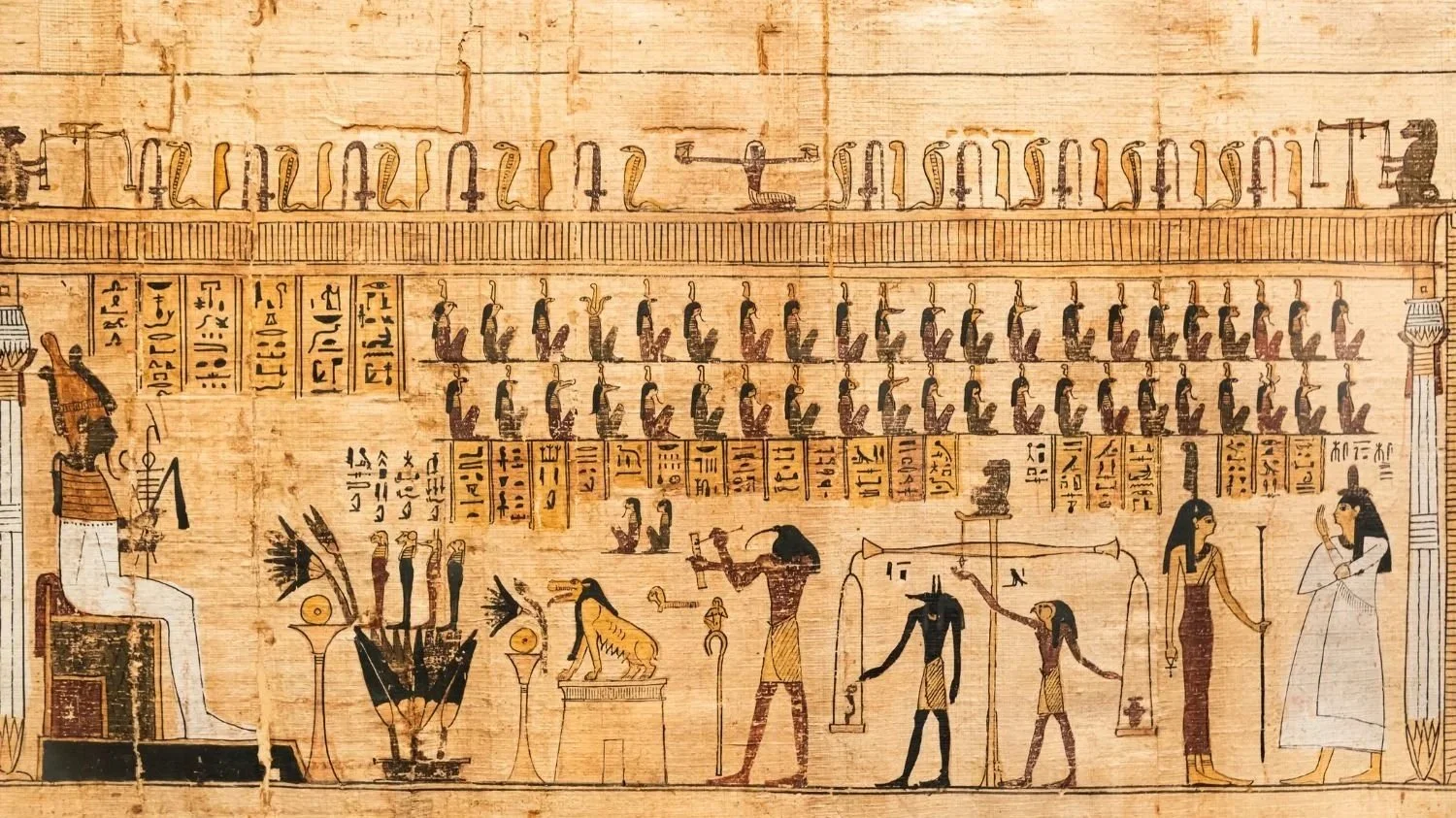
Museums use this technology to create permanent digital archives that document collections in their current state. These archives serve multiple purposes: they provide researchers with detailed study materials, offer conservators baseline references for monitoring deterioration, and ensure that accurate records exist should disasters occur.
Protecting Fragile Collections
Many museum objects cannot withstand frequent exposure to light, touch, or environmental fluctuations. Ancient textiles fade under illumination, delicate manuscripts crumble with repeated handling, and archaeological finds deteriorate when exposed to humidity changes. Digital twins address these challenges by offering safe alternatives for study and display.
Conservation teams use virtual replicas to conduct assessments without physical contact. Before performing restoration work, specialists can examine digital models to plan their approach, reducing the number of times they must handle delicate items. This preventive strategy significantly advances cultural heritage preservation by minimizing wear from repeated human interaction.
Expanding Access and Educational Value
Digital twins remove traditional barriers that limit who can experience museum collections. Fragile items often remain in storage, viewed only by researchers with special permission. Rare books stay locked in climate-controlled vaults, and ancient sculptures sit behind protective barriers. Virtual replicas make these objects accessible to broader audiences without compromising their physical integrity.
Educational programs benefit significantly from this technology. Instructors can incorporate detailed 3D models into lessons, allowing students to examine form, scale, and context in ways that static images cannot provide. A classroom in one country can study pottery fragments held by a museum across the ocean, democratizing access to cultural treasures and supporting global cultural heritage preservation initiatives.
People with mobility limitations gain new opportunities to engage with collections that might be housed in buildings with accessibility challenges. Geographic distance ceases to be an obstacle when digital versions travel freely across networks. This expanded reach ensures cultural heritage preservation serves diverse communities rather than a privileged few.
Advancing Research and Collaboration
Scholars working on similar artefacts can now share detailed models rather than relying on photographs or written descriptions. An archaeologist in Tokyo can collaborate with a colleague in Berlin by examining the same virtual replica, discussing structural features and debating interpretations without transporting fragile objects between institutions.
This collaborative approach accelerates research while protecting physical collections. Multiple experts can study a single artefact simultaneously, contributing their specialized knowledge to cultural heritage preservation projects. Museums build international partnerships more easily, exchanging digital assets to create joint exhibitions and coordinated research programs.
Digital twins also enable comparative studies that would be logistically impossible with physical objects. Researchers can analyze pottery styles across different collections, compare architectural fragments from dispersed sites, or study textile techniques from various time periods by gathering virtual models in one digital space.
Operational Benefits for Museum Professionals
Exhibition designers use virtual models to plan gallery layouts, testing different arrangements before moving heavy or delicate pieces. This visualization capability prevents overcrowding and ensures proper spacing, reducing the risk of accidental damage during installation.
Insurance and loan processes become more efficient when institutions can provide detailed digital documentation. Virtual replicas serve as supplemental condition reports, capturing an object's state before it travels to another venue. Should damage occur, these records assist in providing evidence for claims and restoration planning.
Crisis preparedness improves dramatically with thorough digital documentation. Natural disasters, fires, or theft can devastate physical collections, but detailed virtual replicas ensure that knowledge survives even when objects do not. This documentation supports cultural heritage preservation by creating resilient backup systems that protect institutional memory.
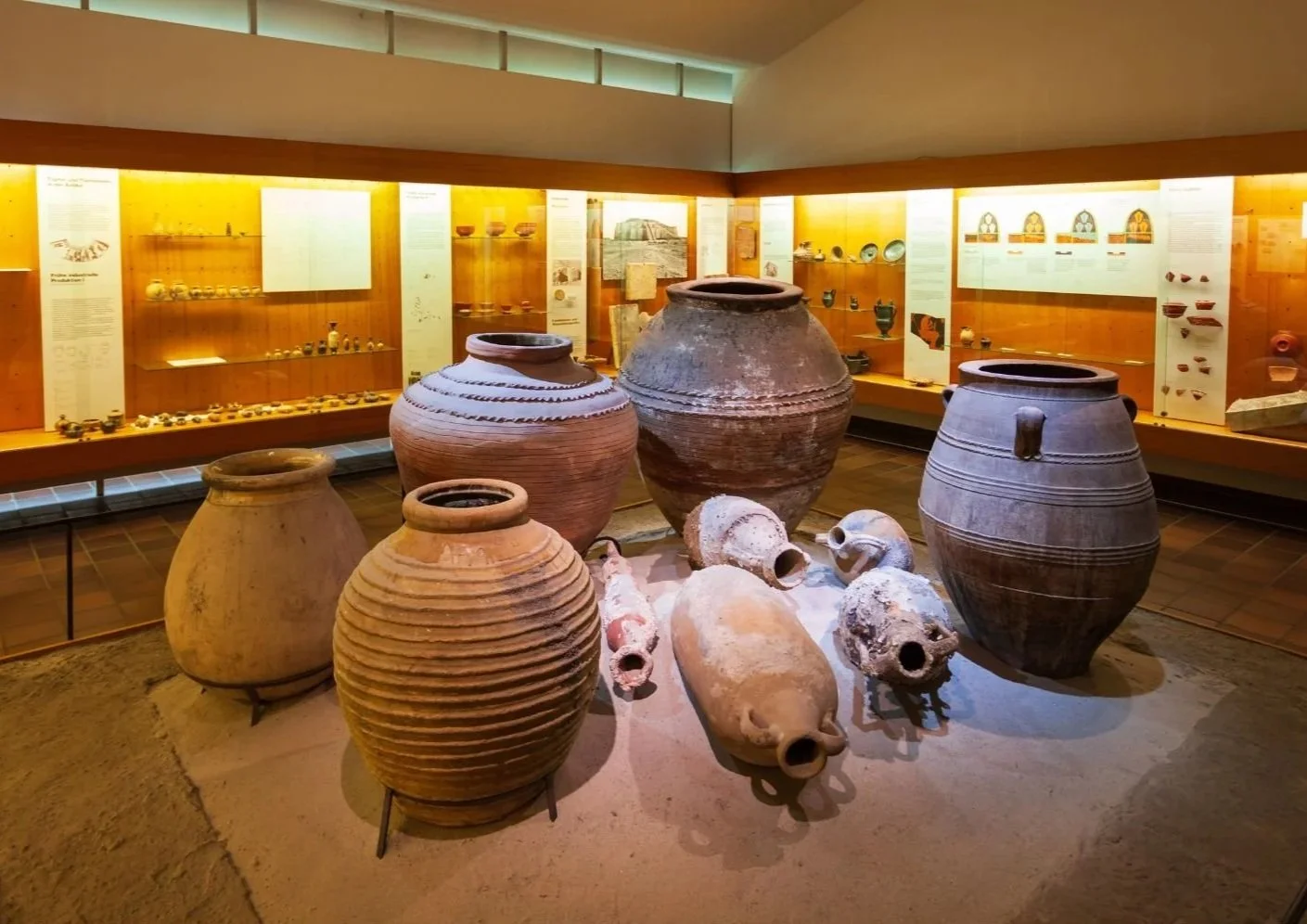
The Power of Immersive Storytelling
While technical accuracy defines digital twins, their true impact emerges when paired with compelling narrative experiences. Museums increasingly recognize that preservation alone is insufficient; they must also inspire emotional connections that motivate future generations to value cultural heritage.
As adoption grows, digital twins are becoming increasingly important to modern museum practice. Their precision, flexibility, and multiple applications make them essential tools for institutions committed to long-term cultural heritage preservation. The technology balances innovation with responsibility, offering practical solutions to age-old conservation challenges.
This approach to cultural heritage preservation acknowledges that emotional resonance drives lasting appreciation. Visitors remember experiences that move them, not just information they absorb. Realistic imagery strengthens retention and transforms passive observation into active connection with the past.
Building Sustainable Preservation Strategies
As adoption grows, digital twins are becoming increasingly important to modern museum practice. Their precision, flexibility, and multiple applications make them essential tools for institutions committed to long-term cultural heritage preservation. The technology balances innovation with responsibility, offering practical solutions to age-old conservation challenges.
Museums that invest in comprehensive digital documentation today build resilient foundations for tomorrow. These virtual archives protect against loss while opening new avenues for engagement, ensuring that cultural treasures remain accessible regardless of physical constraints or environmental changes.
Enhancing Heritage Work With Immersive Cinema
The convergence of accurate digital modeling and cinematic storytelling represents the next evolution in museum experiences. At Hammer & Anvil, we specialize in creating high-fidelity, presence-driven content that complements digital preservation work without requiring extensive space or overhauls. Our cinematic approach demonstrates how strong visuals can help audiences forge deep connections with cultural subjects.
By combining technical excellence with emotional storytelling, institutions can elevate cultural heritage preservation from an archival duty to an inspirational mission. This integrated approach ensures that protecting the past also means inspiring the future.
Connect with us to explore how immersive cinematic experiences can enhance your museum’s cultural heritage experiences.