
From Van Gogh to Virtual: How Immersive Exhibits Are Redefining Famous Artworks
Immersive exhibitions are transforming how audiences encounter classic paintings. These shows use large projections, spatial audio, and moving visuals to reinterpret familiar works, allowing visitors to discover famous pieces with renewed curiosity through virtual art experiences.
While traditional galleries offer irreplaceable value for viewing original pieces, museums increasingly explore virtual art installations because these formats create opportunities for layered storytelling that deepens visitor engagement.
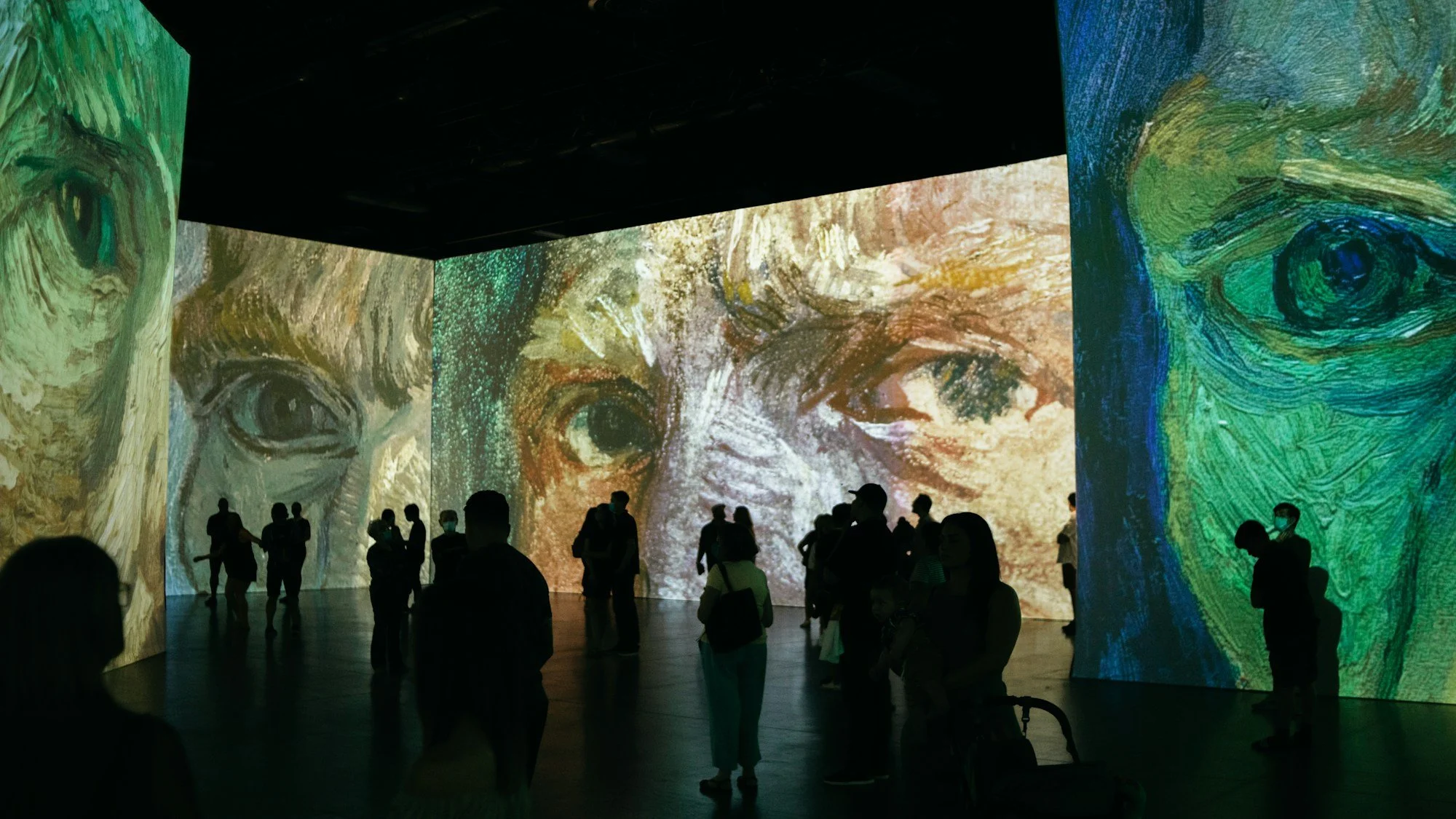
How Virtual Art Exhibits Shift Public Expectations
Today's virtual art installations present entire rooms of animated brushstrokes, surrounding viewers with color and motion. These environments encourage active reflection on creative processes.
Curators monitor both praise and criticism as conversations around these exhibitions grow. Supporters highlight how virtual art draws audiences who rarely visit museums to engage with culture. Critics worry that projected experiences might oversimplify complex masterpieces, though careful design typically addresses this concern.
Research on museum learning indicates that multisensory experiences enhance emotional recall. This insight explains the rising interest in virtual art, particularly among younger audiences seeking fresh ways to understand creative history. Museums now explore hybrid approaches that balance tradition with evolving expectations while improving accessibility by widening sightlines and reducing pressure to crowd around single paintings.
Why Virtual Exhibits Appeal to Modern Audiences
Technology influences nearly every aspect of daily life, making guests comfortable with digital storytelling. Museums see strong attendance for immersive art experiences that blend culture with entertainment, providing relaxing environments where visitors can sit, listen, and absorb creative themes without feeling rushed.
Curators design these shows to highlight emotional narratives beyond static labels, giving viewers context about artists' lives, challenges, and inspirations. The sustained popularity of immersive exhibitions signals a significant cultural shift, with families, teens, and adults seeking shared experiences through accessible presentations of recognizable works.
Many visitors view immersive exhibitions as entry points to complex art discussions. Since virtual art simplifies visual access, people feel more confident asking questions and exploring themes, ultimately supporting long-term appreciation for cultural institutions.
What Virtual Art Reveals About Artist Intentions
Scholars examining the relationship between medium and meaning find that immersive installations offer new analytical possibilities. Although projections cannot replace original canvases, they reveal motion, rhythm, and scale that static galleries cannot replicate.
Debates about authenticity continue within the museum community. Many professionals agree that virtual art should complement rather than replace traditional displays, positioning these installations as expansions of existing exhibits.
Education teams recognize clear benefits in layered learning strategies. Virtual art environments support visitors who prefer visual or auditory processing, guiding audiences through complex themes in approachable ways.
Key Features Found in Effective Virtual Art Installations
Curators begin planning by identifying artistic themes that translate well into virtual art environments. These themes must support motion, color, and sound without overwhelming the original narrative.
Designers and educators collaborate early to ensure installations align with artists' intentions and museums' learning goals. They examine how color, pacing, and sound will guide visitors through meaningful visual moments, preventing virtual art concepts from drifting toward entertainment without educational depth.
Essential Features Include:
Clear visual focal points help visitors process scenes gradually and support deeper comprehension
Layered sound elements guide emotional interpretation and encourage viewers to reflect on each shifting moment
Smooth transitions reduce cognitive overload and give audiences time to absorb key artistic details
Accurate color grading preserves artistic integrity and ensures recognizable palettes remain faithful at larger scales
Flexible seating or open layouts invite guests to stay longer and create comfortable environments for shared reflection
How Virtual Art Exhibits Address Accessibility and Engagement
Many institutions explore how virtual art can widen access for diverse visitors. Motion-based visuals and sound cues help guests who benefit from multiple learning inputs, supporting both general audiences and those with varied sensory needs.
Curators observe that virtual art encourages group interaction, with conversations flowing naturally as people describe their impressions during each sequence. Educational teams note that emotional storytelling increases retention, and since virtual art offers continuous visual guidance, viewers follow narratives with greater confidence.
Some exhibitions use soundscapes to deepen emotional impact, highlighting overlooked details. This method aligns with insights on how layered 360° video and audio increase presence inside immersive storytelling, encouraging museums to refine their sound design choices for greater clarity and emotional depth.
A New Way to Connect With Iconic Art
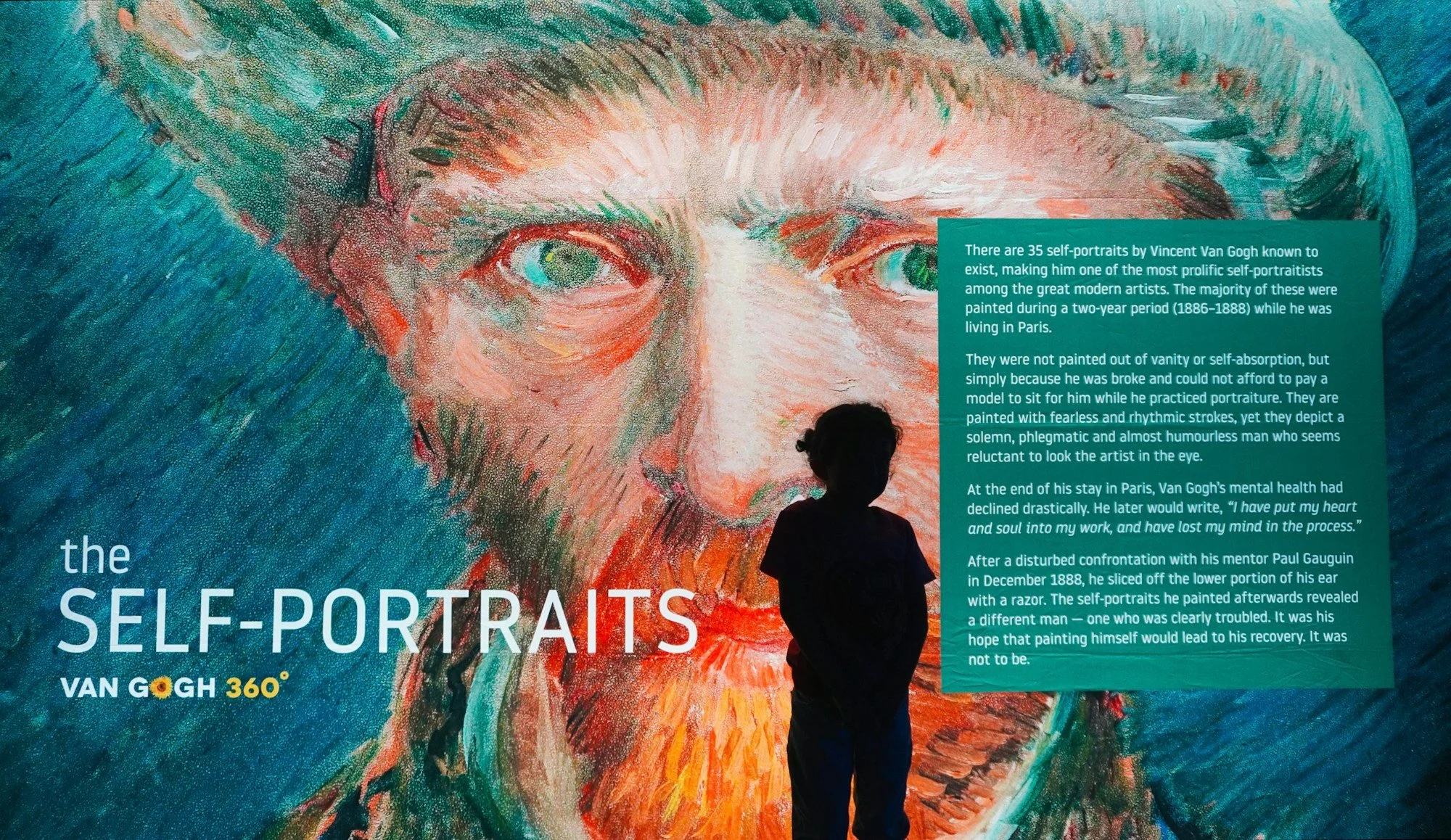
Immersive exhibitions now serve as cultural bridges. Many visitors discover themes they previously overlooked because virtual art reveals motion, mood, and narrative with greater impact.
Benefits of well-designed immersive installations:
Enhanced emotional recall through multisensory engagement creates lasting connections with artwork
Broader accessibility accommodates visitors with different learning styles
Social engagement transforms solitary viewing into shared cultural experiences
Educational scaffolding builds confidence for exploring challenging artistic concepts
Why Museums Are Reimagining the Gallery Experience
Virtual art installations represent not a replacement for traditional museums, but an evolution in how we engage with masterpieces. By combining sensory depth with scholarly intention, these exhibits unlock new dimensions of famous works, revealing brushstrokes as motion, color as atmosphere, and artistic vision as lived experience. As museums continue refining these hybrid approaches, immersive exhibitions promise to deepen cultural access for generations to come, proving that technology and tradition can strengthen rather than compete with one another.
Want to chat about our immersive theatres and 360 films for your museum or institution? Let’s connect.