Journey to Alien Worlds. See the Cosmos Through New Eyes.
An immersive astronomy experience that brings real exoplanets to life through cinematic world-building, scientific insight, and awe-inspiring cosmic storytelling.
About Strange Worlds
An Immersive Expedition Across Real Exoplanets
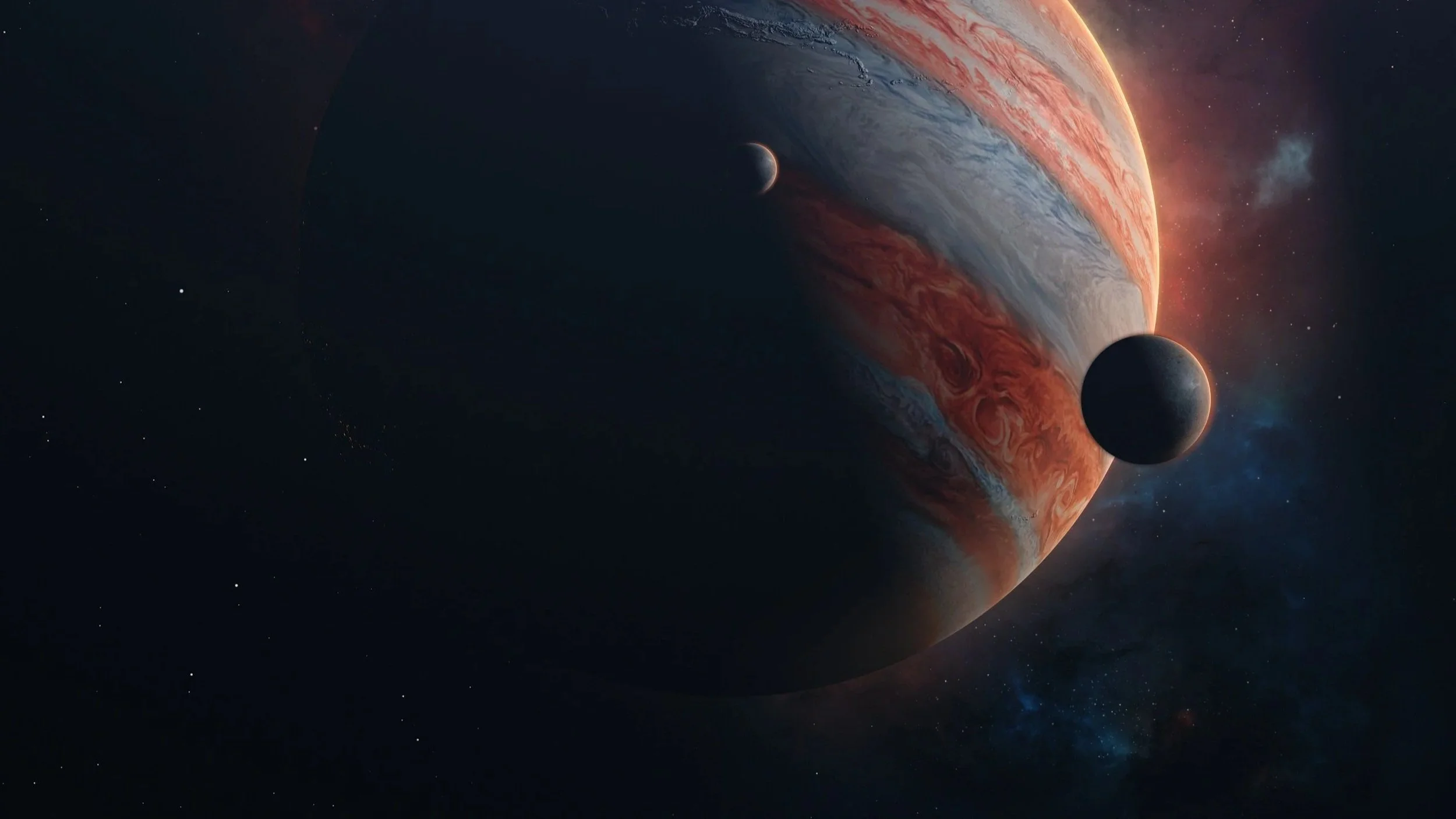
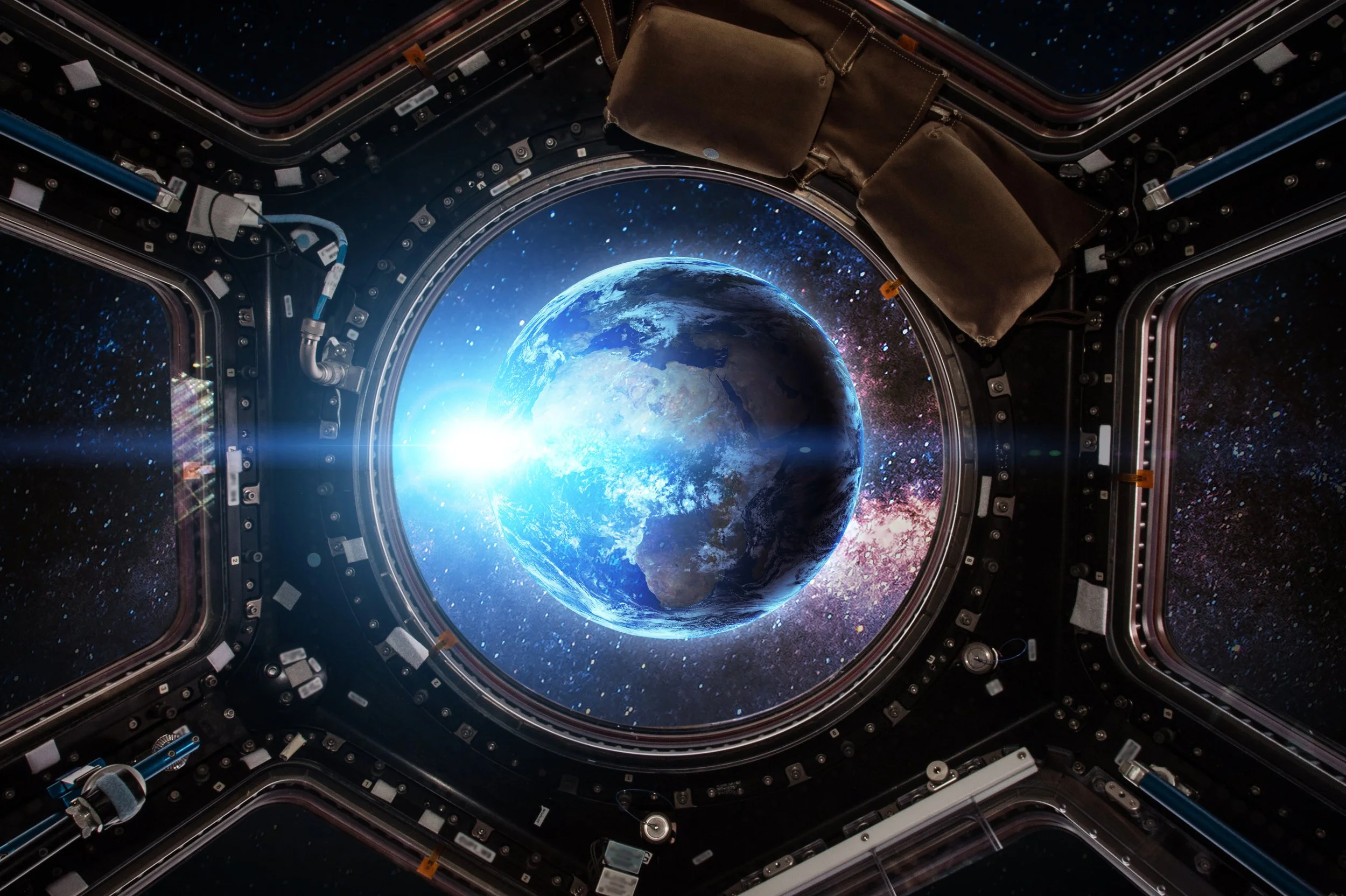
Strange Worlds transports visitors to real exoplanets discovered by astronomers — places where molten rain falls from crimson skies, oceans boil beneath toxic atmospheres, and twin suns cast shifting shadows across alien terrain.
Using 360° cinematography, scientific visualization, and narrative guidance, the film explores how astronomers detect distant worlds and what these discoveries reveal about the diversity of planetary environments.
The story connects visitors to:
planetary science and exoplanet detection
extreme cosmic environments
how scientists infer atmospheric and geological conditions
big questions about habitability and the search for life
Educational Themes and Interpretation


Visitors learn how telescopes detect worlds beyond our solar system through transit methods, spectroscopy, and stellar observation.
Exoplanet Discovery
Extreme Planetary Environments

The film visualizes superheated surfaces, volatile atmospheres, and unpredictable weather systems based on real scientific data.
Habitability and Cosmic Context
By comparing exoplanets to Earth, the experience invites reflection on what makes a planet capable of supporting life.
Scientific Advisors & Contributors
Astronomy Expertise and Research Partners
Strange Worlds was developed with input from astronomy researchers specializing in exoplanet detection, atmospheric modeling, and planetary habitability.
Their insight ensures scientific accuracy while maintaining accessibility for general audiences.
What Visitors Will Experience

Immersive Cosmic Landscapes
Travel across a sequence of real exoplanets visualized through scientific modeling and cinematic artistry.

Sonic world-building enhances the emotional and educational impact.
Spatial Soundscapes

Data-driven environments help visitors understand how scientists interpret distant worlds.
Scientific Visualization
Guided storytelling makes complex astronomy approachable and engaging.
Narrative Exploration
Presented Through the ALICE Theater
A Shared Immersive Experience Designed for Museums
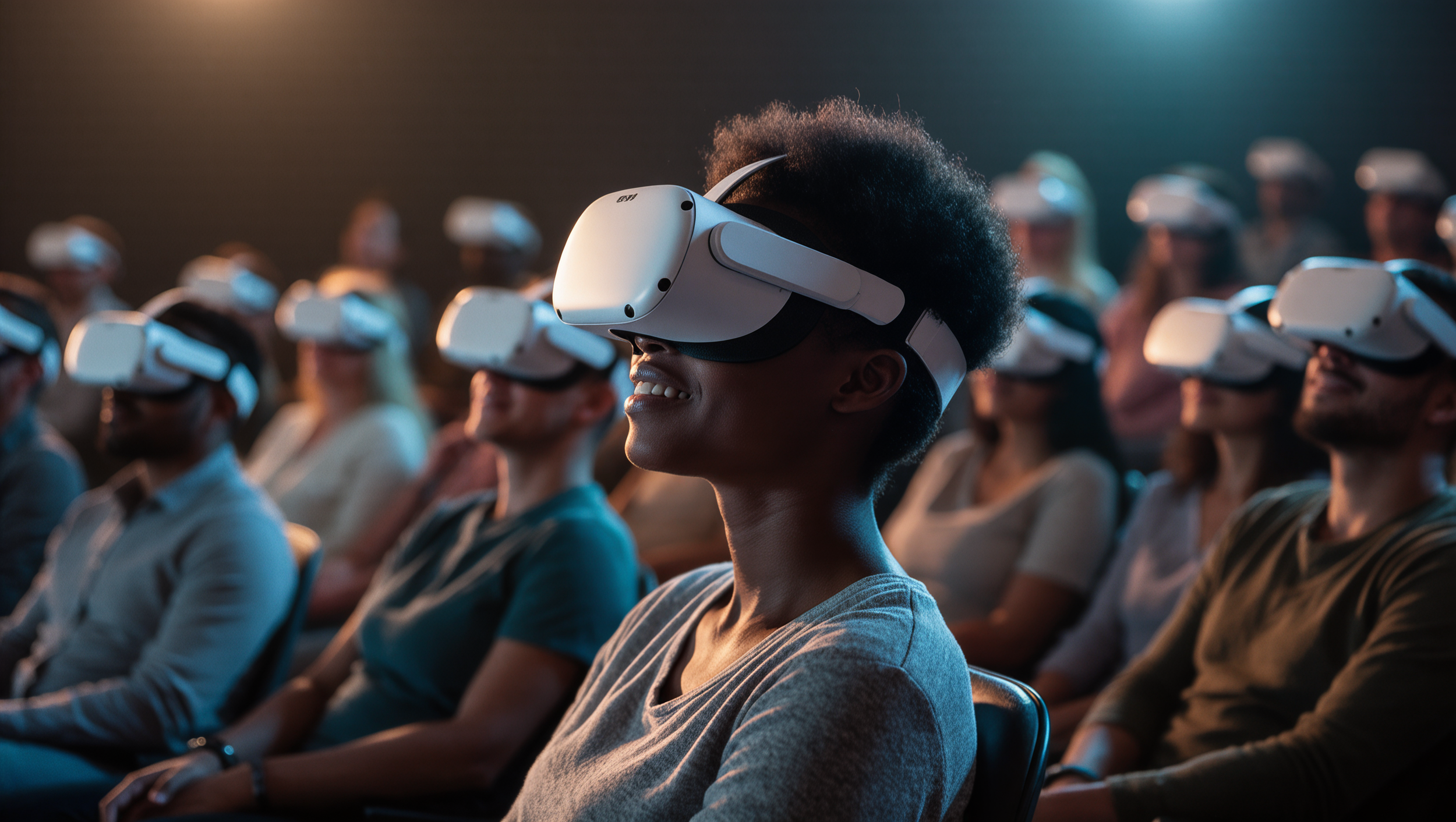
Strange Worlds is delivered through Hammer & Anvil’s ALICE theater—a seated, fully accessible shared immersive space that synchronizes the film across multiple headsets with spatial audio.
ALICE provides museums with:
wheelchair-friendly layouts
seated viewing for all mobility levels
smooth visuals for visitor comfort
synchronized group storytelling
minimal daily staffing