
The Future of Edutainment: Where VR Is Headed Next
The best learning happens when we forget we're learning at all. Traditional classrooms and static museum displays have long struggled with a fundamental challenge: keeping audiences genuinely engaged while delivering meaningful content. Virtual reality is changing this equation entirely. Through immersive experiences that transport learners to new worlds, VR has become the catalyst for a revolution in edutainment, where education and entertainment merge so seamlessly that curiosity becomes its own reward. As this technology continues to evolve, it's reshaping not just how we teach, but what's possible when learning becomes an experience worth seeking out.
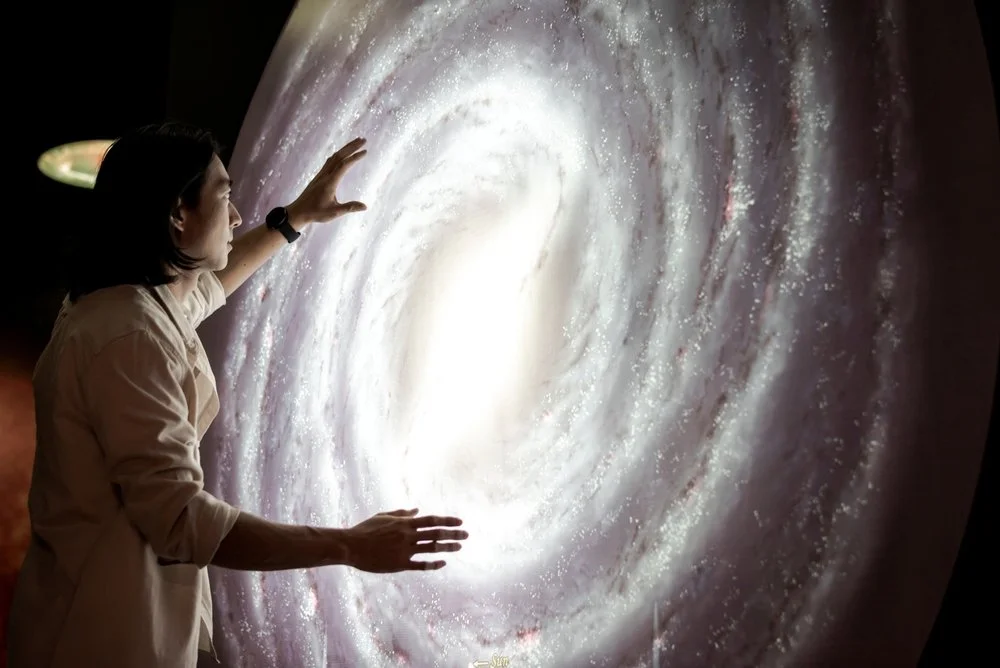
Edutainment: Where Education Meets Inspiration
Edutainment transforms the way we approach learning by making it inherently captivating. Rather than passively absorbing information, learners become active participants in their own discovery. Museums and educational institutions are embracing VR to create environments where complex subjects become accessible and exciting.
Virtual reality enables learners to walk through historical events, explore microscopic worlds, or travel to distant galaxies. These immersive experiences create emotional connections that traditional methods often struggle to achieve. When learners feel present in a moment or place, comprehension deepens naturally.
This approach proves particularly valuable for those who learn best through visual experiences. By engaging multiple senses simultaneously, VR accommodates diverse learning preferences while maintaining rigorous educational standards. The result is knowledge that sticks because it was experienced, not just observed.
Storytelling as the Foundation of Learning
Virtual reality excels at weaving education into compelling narratives. When learners step into a story, they're no longer studying abstract concepts but living through scenarios that bring those concepts to life. This narrative framework transforms instruction into an engaging journey.
Consider a learner exploring the ruins of Pompeii before and during the eruption of Mount Vesuvius, or following the journey of a water molecule through Earth's hydrological cycle. These story-driven edutainment experiences make abstract or distant topics tangible and relevant. The emotional investment in the narrative strengthens memory and understanding.
VR's flexibility allows it to span countless disciplines, from ancient civilizations to cutting-edge science. Learners can witness the construction of the pyramids, observe chemical reactions at the molecular level, or understand climate patterns from a planetary perspective. Each experience is crafted to balance educational depth with the wonder that makes learning genuinely enjoyable.
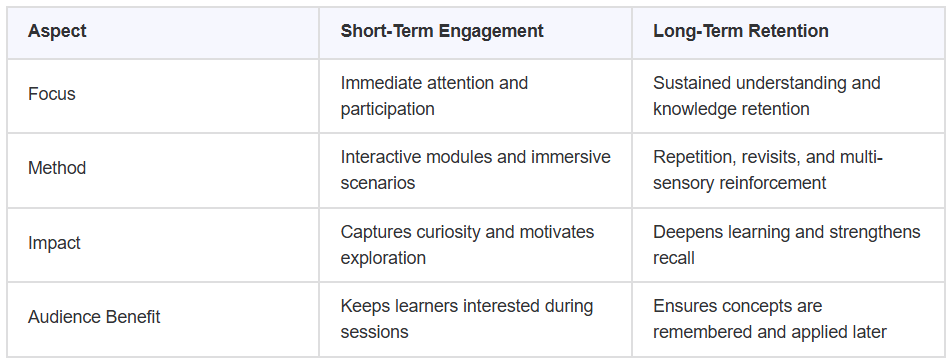
Integrating VR into exhibits strengthens knowledge retention and encourages curiosity-driven discovery. Interactive storytelling, multisensory engagement, and collaborative modules provide meaningful educational outcomes. This approach helps museums and science centers remain relevant, accessible, and innovative in the digital era.
Emerging Approaches Shaping the Future of Edutainment
The landscape of immersive edutainment continues to expand as technology and creativity intersect. Institutions are discovering innovative ways to keep audiences engaged while delivering meaningful content.
Gamified Learning Modules
By incorporating challenges, progression systems, and reward mechanisms, VR experiences motivate learners to dive deeper into subjects. These game-like elements make education feel less like a requirement and more like an achievement to pursue.
Virtual Global Access
VR removes geographical barriers, allowing learners to explore coral reefs, Arctic tundra, or Martian landscapes from any location. This democratization of access opens doors to experiences that would otherwise remain out of reach for most audiences.
Fresh, Rotating Content
Museums and educational centers are keeping exhibits dynamic by regularly updating their VR offerings. New stories and scenarios encourage repeat visits while preventing content fatigue. This rotation ensures that learning environments remain vibrant and relevant.
Shared Virtual Spaces
Collaborative VR environments enable groups to learn together, even when physically apart. Learners can work on projects, solve problems, and discuss discoveries within the same virtual space, fostering both social connection and educational growth.
Adaptive Learning Paths
Modern VR experiences adjust to individual needs, allowing learners to move at their own pace and focus on areas that resonate most. This personalization ensures that each person's journey through edutainment feels meaningful and tailored to their interests.
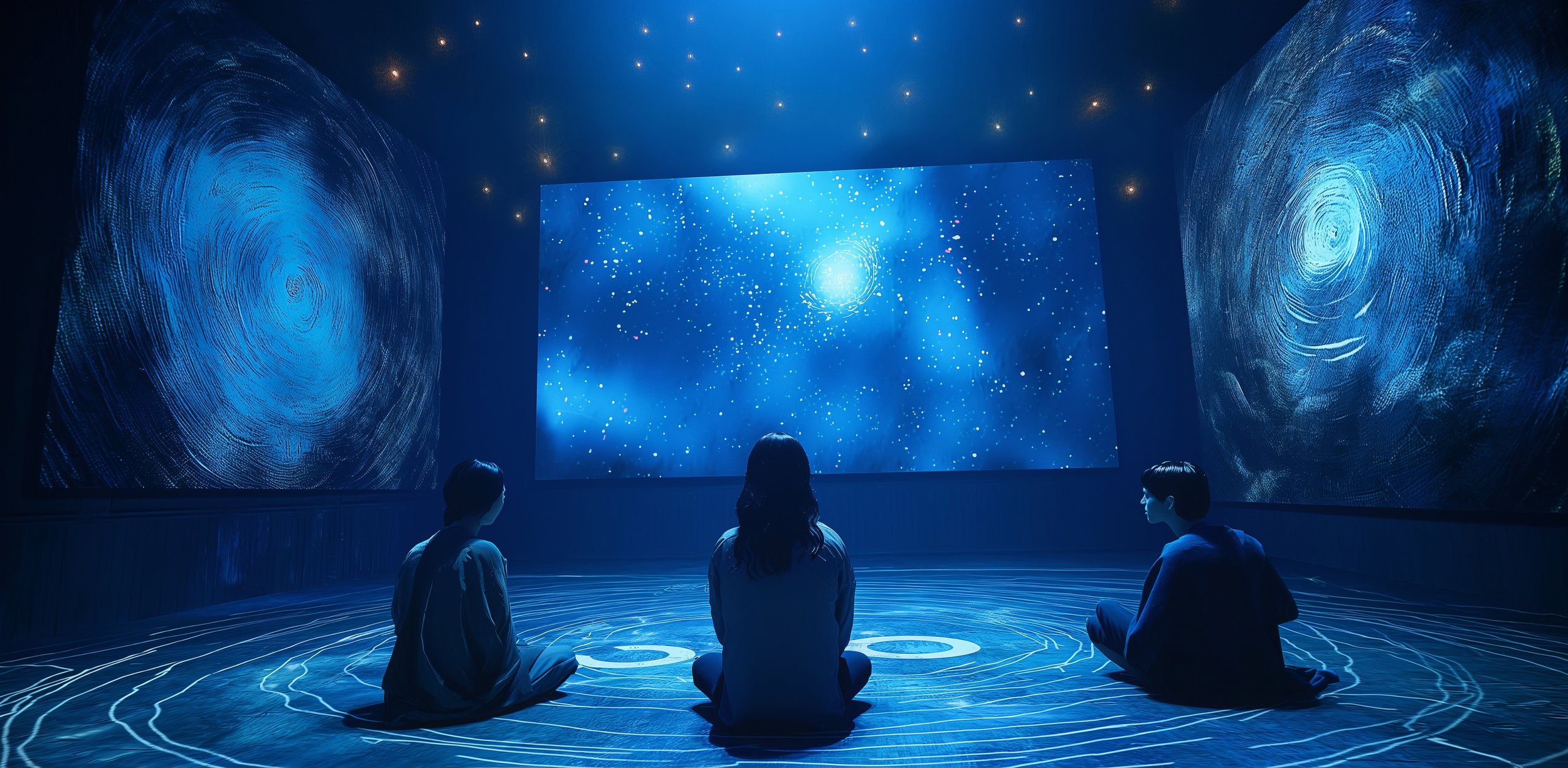
Building Bridges Across Generations
One of VR's greatest strengths lies in its universal appeal. Children are drawn to its vivid, engaging worlds that spark curiosity and imagination. Adults appreciate the opportunity to explore complex ideas in accessible ways. Older learners discover new perspectives and experiences that challenge and inspire them.
The adaptability of virtual reality means that a single exhibit can serve multiple age groups effectively. A child might focus on the visual spectacle of dinosaurs in their natural habitat, while an adult explores the scientific theories behind their extinction. Both leave with valuable knowledge suited to their level of understanding.
By designing experiences that speak to different generations, institutions create inclusive environments where families and groups can learn together. This multi-generational approach strengthens the impact of edutainment, making it a shared experience that resonates across age boundaries.
Looking Ahead: The Evolution Continues
The trajectory of immersive edutainment points toward increasingly sophisticated and accessible experiences. As VR technology advances, the line between learning and entertainment will continue to blur, creating opportunities for deeper engagement and understanding.
Institutions that embrace these technologies position themselves at the forefront of educational innovation. By transforming exhibits into immersive journeys, they offer audiences something truly memorable: the chance to not just learn about the world, but to step inside it.
Hammer & Anvil brings immersive experiences and new worlds to your audience by blending visually stunning storytelling with cutting-edge technology. Our fully immersive, short-term VR experience for museums arrives fully pre-configured. Requiring minimal museum resources for setup or operation, our team handles everything, from installation to staff training. Discover how our solutions can transform exhibits and programs into unforgettable journeys of discovery. Let’s chat.